Thinking Skills for Kids *Ages 5 to 13* 5 min a day

A skill they'll practice day by day.
And use for a lifetime.
Built for parent and child together — because a child's calm starts with yours.
Notice. Name. Choose.
A simple, repeatable skill — built on how the brain actually works.
Naming creates distance. Distance creates choice.
Two ways in.
One skill. Built for home and for school.
For families
A program built for family life as it really is.
A self-guided program you can use over breakfast, on the school run, at bedtime. Five-minute rituals. Audio stories your child will actually request. Conversation cards with do's and don'ts for tough moments — so you stop reaching for words and start reaching for the right tool.
- Five-minute audio lessons — press play at breakfast, in the car, or at bedtime
- Screen Free Audio Lessons — for parent and child to listen together, not one more thing to manage
- Meet the Grumpies and Wizards — a shared language for big feelings
- Printables to practice between lessons: calm cards, an emotion decoder, a family challenge
- YMM includes modules for both the child and the parent.
Start the first lesson - free
For educators
A whole-school mental fitness program your teachers will actually want to teach.
A complete implementation that doesn't require a PhD or a 200-page instruction manual. Real lessons, real scripts, real measurement instruments — packaged so your team achieves results and they feel supported.
- Five-minute audio lessons — the program does the teaching, you just press play
- Two age tracks: 5–9 and 10–13
- No prep, no script to deliver — fits the five minutes you already have
- Illustration-style classroom posters and printable workbooks
- Volume licensing & teacher onboarding included
See if we’re a good match
If any of this sounds familiar...

You're not failing.
You're watching a child who hasn't been taught the skill yet.



Tuesday, 7:42am
"I can't do it. I'm bad at math. I'm not even going."
— before a normal school day
Friday, 4:15pm
"Nobody likes me. Everyone
was mean to me today."
— in the back seat, for the third time this week
Sunday, bedtime
"I'm so stupid. I always get it
wrong."
— over a piece of homework
The thoughts aren't the problem. Not knowing what to do with them is.
Show them what to do with the thought — free lessonAn honest word, before you start
This isn't a quick fix.

And that's exactly why it works.
"Think of it the way you think about teaching kids to read." We won't promise results in 14 days. Anything you teach in 14 days wouldn't last anyway. Mastering your own thoughts is a skill — like reading, like piano, like riding a bike. It needs to be practiced. A little. Every day. For a season.
And then — quietly, almost invisibly — it stops being something your child has to try. It just becomes how they think. For the rest of their life.
Reading
- A few minutes a day.
- Months of practice.
- Then they read fluently —for the rest of their life.
=
Young Mind Masters
- A few minutes a day.
- Months of practice.
- Then they think clearly — for the rest of their life.
You'd never doubt it's worth it for reading. It's just as worth it for this

What the journey actually looks like
The honest timeline of a young mind master.
Month 1-2
Everyone meets the Grumpies and Wizards — children and the adults guiding them.
months 3-4
Practicing in calm moments.
Around month 5
The first unprompted moment.
Months 6 to 18
It becomes how the family works.
Five more characters, a deeper level.
A practice, not a finish line.
What you're really giving them
You're not buying a course. You're giving your child a thinking habit they'll keep for a lifetime — and pass to their own kids.
Age 8
"That's Grumpy talking. I can try anyway."
Before the spelling test. Before football tryouts.
Age 14
"One bad text isn't my whole friendship."
The skill that protects them in the hardest social years.
Age 22
"I failed the interview. I'm not a failure."
The voice they bring to first jobs, first heartbreaks.
Age 40
"My thoughts aren't always the truth."
The quiet lifelong gift of knowing the difference.

5 minutes a day.
The smallest ritual with the biggest payoff.
Each morning · or each evening
One short story. One small skill.
A story-led lesson where your child meets a character, faces a thought, and practices the shift. It always ends — calmly — on a complete win.
During the day
A tiny "mission" they take into the world.
One small action: notice a thought, name a feeling, try one shift. The curriculum lives in the real world, not just in the lesson.
Over weeks. Over months.
The repetition that rewires.
Lasting habits aren't made overnight. They're made through small, gentle reps, repeated often — the kind kids will actually keep up. That's the whole science.
It's not another app.
Built on real frameworks.
Every story is grounded in evidence-based, age-appropriate practice — adapted carefully for ages 5–12.
Designed to end calmly. Every time.
Lessons end on completion — not cliffhangers. Children leave the lesson settled, never over-stimulated.
Safe by design.
No ads. No third-party trackers. No social features. Built to educator safeguarding standards.
A skill, not a sprint.
Practiced daily for months. Carried quietly for life. That's the deal — and it's the only one we believe in.
Designed for:
Families at home
Primary & independent schools
Home educators
Therapeutic settings
A word from the founder
Young Mind Masters exists to give children the inner toolkit most adults never learned.
"For twenty years I watched smart, capable, accomplished adults — across five continents — struggle with the exact same things. Self-doubt. Worry loops. Shame spirals. And I kept thinking: nobody ever gave them the tools."
Marijana spent two decades in the corporate world, working alongside high performers from vastly different cultures and backgrounds. — and kept seeing the same patterns running the show, regardless of country, language, or job title. She trained as a PQ coach and a Functional Medicine health coach to work on those patterns with adults, and quickly realized something difficult and obvious: by the time most adults learn this language, the patterns have been running unchecked for thirty years.
So she went upstream. She created Young Mind Masters — a program that turns mental fitness into memorable characters, stories, and tools children ages 5 to 13 can actually use, so they learn to understand their patterns while their identity is still forming.
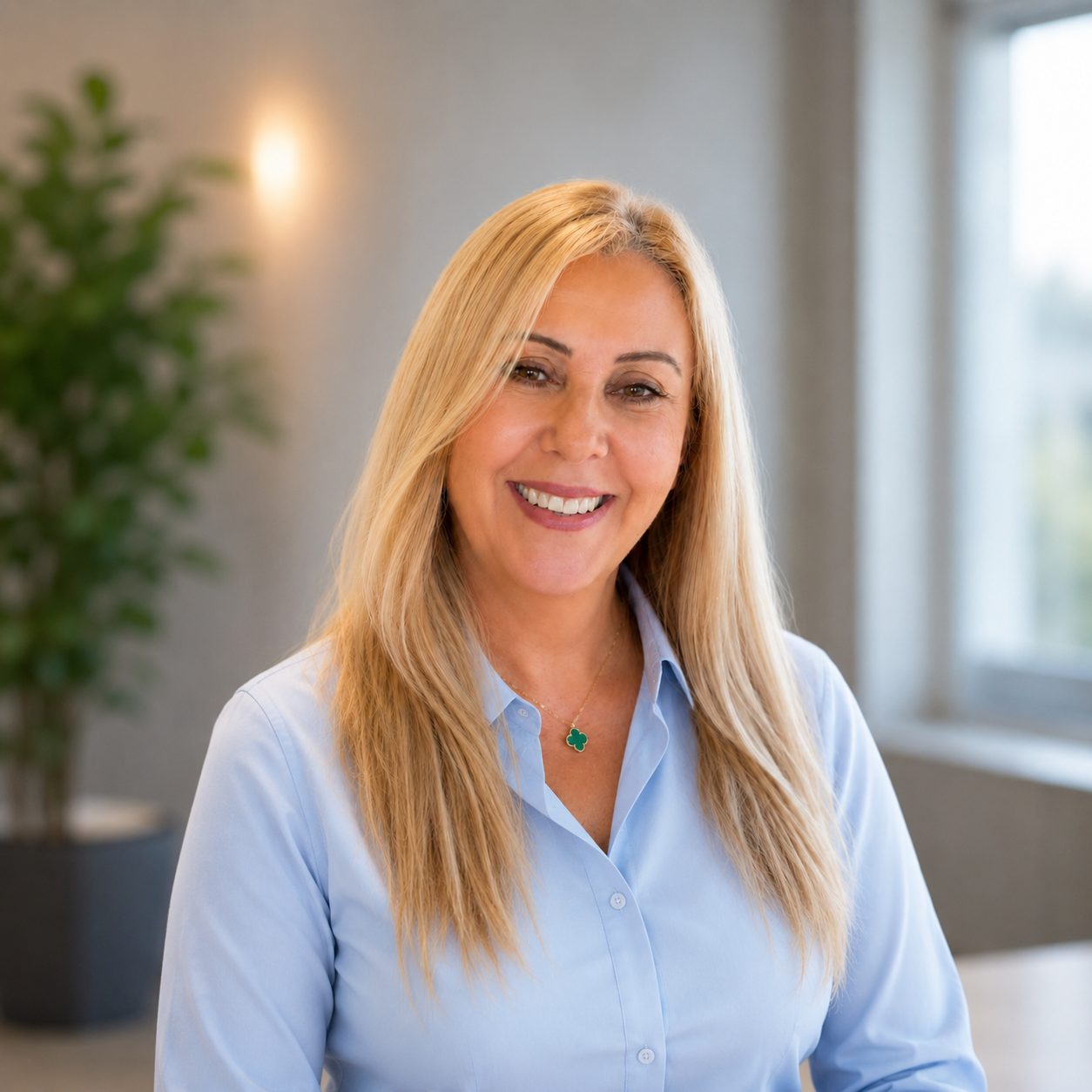
Marijana
Founder, Young Mind Masters
"Children shouldn't have to spend their adult lives unlearning what we can help them understand today."
Honest answers to the questions we get most.
My child already sees a therapist. Is this appropriate?
How is this different from mindfulness apps?
We're a school. What does implementation look like?
What if my child doesn't engage with it?
My child is 4 — is that too young?
How do I know if it's working?
Our promise to you.
"I won't promise you a transformed child in 14 days. I'll promise you a daily ritual small enough that your child will actually keep doing it — and a skill that, given time, becomes how they think."
Marijana, Founder
Plant the habit now.
Let them carry it for the rest of their life.
Start with one free lesson. No credit card. No commitment. Just 5 minutes with your child — and the first step toward a different kind of thinking.
Start the first lesson -freeBring a Little More Mind Magic Into Your Week
Sign up for short, helpful YMM updates with kid-friendly emotional regulation tools, parent tips, and new lessons for growing calmer, kinder, braver minds.
A screen-free way to help children ages 5–13 notice, name, and choose — one calm habit at a time.
© 2026 Young Mind Masters. An educational program — not a clinical or therapeutic service.